10 Best 3D Printing Innovations Revolutionizing the Industry?
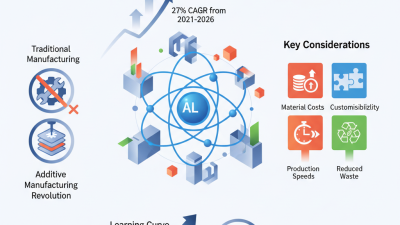
The 3D printing industry is undergoing a transformative phase. Recent reports indicate that the market reached a value of approximately $12.6 billion in 2022 and is projected to grow at a compound annual growth rate of 21% through 2030. This rapid expansion is driven by innovations that are reshaping various sectors, including healthcare, aerospace, and automotive.
Experts, like Dr. Lisa Harouni, a leading authority in 3D printing, emphasize the importance of these advancements. She states, "The future of manufacturing lies in our ability to adopt and integrate the latest 3D printing technologies." Innovations such as bioprinting, multi-material printing, and on-demand production are examples of how the industry is evolving and addressing challenges.
However, the industry does face hurdles. Issues like material limitations and production speed still need attention. As we explore the ten best innovations in 3D printing, it's crucial to reflect on both the successes and setbacks. Balancing innovation with practicality will determine the future trajectory of this exciting field.
Emerging Materials Transforming 3D Printing Technologies
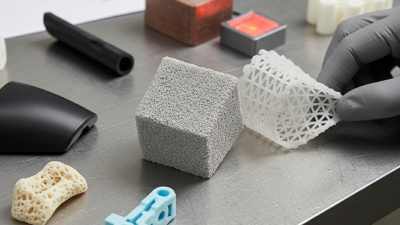
Emerging materials are transforming 3D printing technologies in exciting ways. A variety of new filaments and resins enhance the strength, flexibility, and functionality of printed objects. For instance, biodegradable plastics are gaining traction. These materials reduce waste and cater to eco-conscious designs. They provide users with sustainable options for their projects.
A notable trend is the use of advanced composites. These combine traditional materials with fibers or nanoscale elements to achieve superior properties. The outcome is lightweight yet strong products tailored for specific applications. However, working with these materials poses challenges. Print settings need careful adjustments to optimize adhesion and minimize defects.
Metals and ceramics are also becoming more accessible for 3D printing. They allow creators to produce intricate designs that were previously unfeasible. Nevertheless, the processes involved can be complex and costly. Many users face a learning curve with these technologies. They must explore different techniques and settings to achieve desirable results. The evolution of materials in 3D printing pushes boundaries but requires continuous experimentation and adaptation.
Emerging Materials Transforming 3D Printing Technologies
Advancements in Speed and Efficiency for 3D Printers
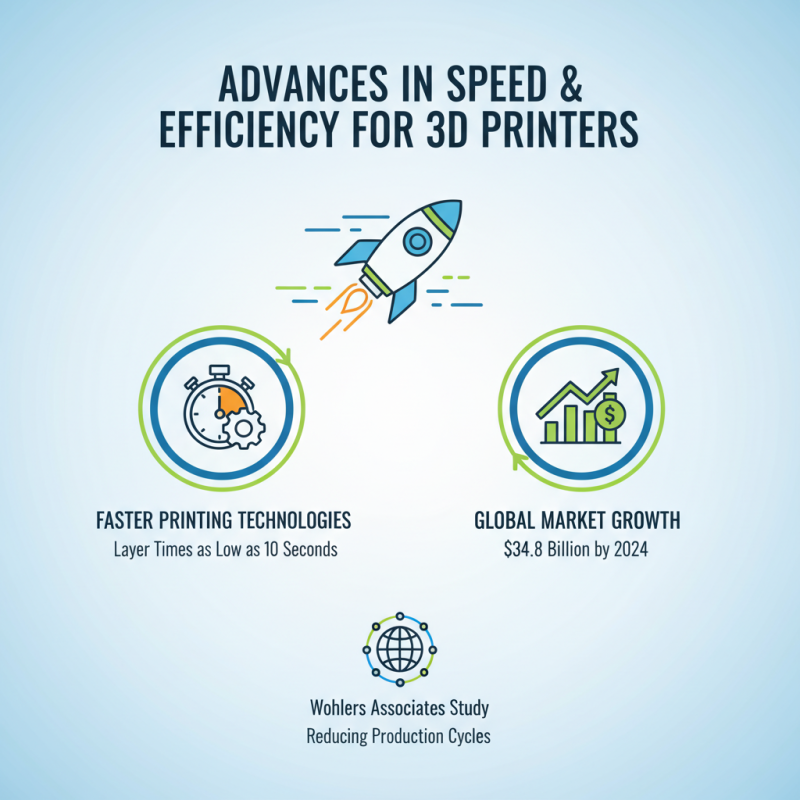
The landscape of 3D printing is rapidly evolving, especially in speed and efficiency. A recent study by Wohlers Associates indicates that the global 3D printing market is projected to reach $34.8 billion by 2024. This growth is attributed to faster printing technologies. For instance, some printers can achieve layer times of as little as 10 seconds, significantly reducing production cycles.
Advancements in materials also play a crucial role. Researchers have developed new filament types that cure quickly, allowing for faster print speeds without compromising strength. Additionally, the adoption of multi-material printing is on the rise. This permits the creation of complex designs in fewer steps. However, questions remain regarding the long-term reliability of these materials in demanding environments.
Despite these innovations, challenges persist. Not all 3D printers can handle the new, advanced materials. Furthermore, user expertise is crucial. Effective training for operators is necessary to fully leverage these advancements. The push for efficiency must not overlook the need for quality control. Balancing speed with precision remains a core challenge in the field.
Innovative Applications of 3D Printing in Healthcare
3D printing is transforming healthcare in remarkable ways. Its ability to create complex structures allows for innovations in medical devices, implants, and prosthetics. Surgeons can now perform procedures with tailored instruments. Customization is key, and it leads to improved patient outcomes.
Tips: Always keep patient safety in mind. Designs must undergo thorough testing. Collaboration among engineers and healthcare professionals is vital. Regular audits of 3D printed items ensure reliability and effectiveness.
New applications include bioprinting tissues and organs. This technology holds promise for transplants. Yet, there are ethical considerations around using human cells. Balancing innovation with moral implications is crucial. Training staff on 3D printing techniques can enhance the integration into medical practice.
Some challenges remain. Material compatibility and regulatory approvals can slow progress. Open discussions about these issues might yield better solutions. Embracing imperfect processes can foster creativity and drive advances in the industry. Exploring these innovations is essential for the future of healthcare.
10 Best 3D Printing Innovations Revolutionizing the Industry
| Innovation |
Application |
Benefits |
Impact |
| Bioprinting |
Tissue Engineering |
Custom tissues for transplantation |
Potential to eliminate organ donor shortages |
| Metal 3D Printing |
Orthopedic Implants |
Stronger materials with reduced weight |
Improved patient outcomes |
| Surgical Guides |
Preoperative Planning |
Increased precision in surgeries |
Reduced surgery time |
| Custom Prosthetics |
Amputee Rehabilitation |
Tailored fit and comfort |
Enhanced mobility and quality of life |
| 3D Printed Medications |
Pharmaceuticals |
Customized dosages and forms |
Improved adherence to treatment |
| Patient-Specific Models |
Medical Training |
Enhances understanding of complex cases |
Better preparedness for real surgeries |
| Dental 3D Printing |
Custom Dental Solutions |
Personalized crowns and aligners |
Enhanced patient experience |
| 3D Printed Biodegradable Implants |
Surgical Procedures |
Reduces need for subsequent surgeries |
Better healing processes |
| Wearable Health Monitors |
Health Monitoring |
Real-time patient health data |
Reduced hospital visits |
| 3D Printed Organoids |
Drug Testing |
More accurate testing than traditional methods |
Faster development of treatments |
Sustainability Initiatives in the 3D Printing Industry
The 3D printing industry is witnessing a significant shift toward sustainability. This transformation arises from an urgent need to address environmental concerns. Companies increasingly focus on eco-friendly materials and processes. Biodegradable filaments are now common alternatives to traditional plastics. These innovations aim to reduce waste and lower carbon footprints.
Despite progress, challenges remain. Not all 3D printing methods are energy-efficient. Some techniques use a lot of energy, impacting their sustainability claims. Furthermore, the recycling of printed items is still a nascent field. Many users are unsure how to properly recycle these materials. There’s a pressing need for clearer guidelines and infrastructure for recycling.
The shift toward sustainability is crucial not only for the planet but also for industry reputation. Businesses that prioritize eco-friendliness can attract conscious consumers. However, achieving true sustainability in 3D printing is complex. Continuous research and collaboration are essential for meaningful innovations. Balancing environmental goals with technological advancements requires a cooperative effort. As the industry evolves, so too must its approach to sustainability.
The Role of AI and Automation in Enhancing 3D Printing Processes
The integration of AI and automation is transforming 3D printing. These technologies enhance efficiency and precision in the production process. Machine learning algorithms optimize printer settings, minimizing errors. Automation streamlines repetitive tasks, allowing human operators to focus on complex designs.
Tips: Monitor your systems regularly. Small adjustments can lead to improved outcomes. Consider investing in training for your team. Understanding new tools enhances productivity.
AI also aids in material selection. It analyzes requirements and recommends the best filaments for specific projects. The customization capabilities increase, making it easier to create unique products tailored to individual needs. Yet, this reliance on AI raises questions about creativity in design.
Tips: Experiment with different materials. Discover what works best for your needs. Keep an eye on technology trends to stay competitive. Regularly revisit your design processes for potential improvements.