

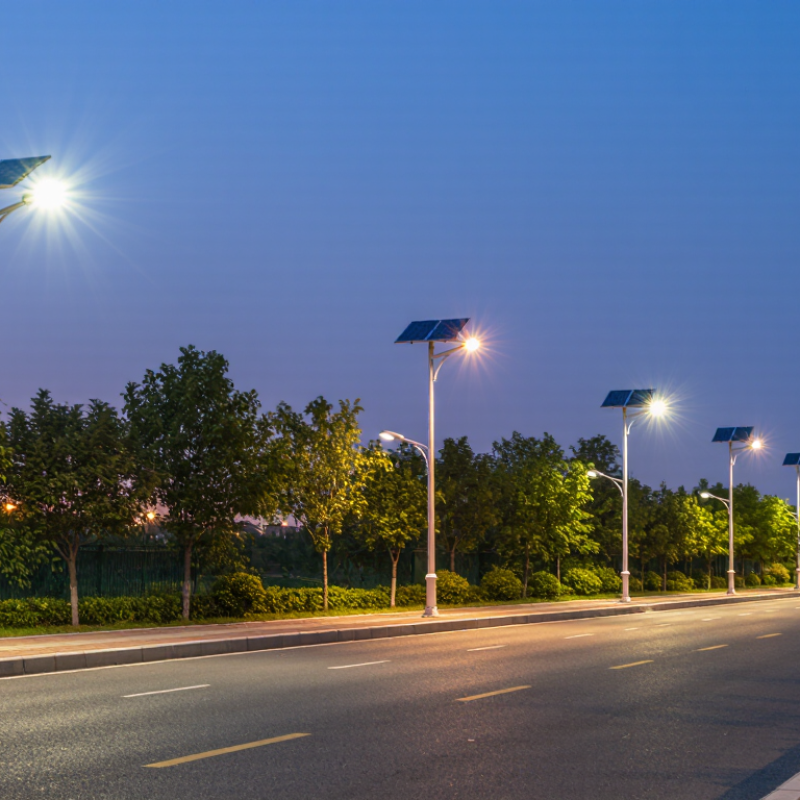
How to Choose a Solar Energy Light Pole in 2026?
Evaluating Lighting Performance, Controls, and Weather Resistance
Selecting a solar energy light pole in 2026 requires more than comparing lumen numbers. Lighting performance should match the road, pathway, or parking area. Ask for photometric files, tested illuminance, uniformity, color temperature, and glare data. A bright fixture can still create dark patches. Battery autonomy matters during several cloudy nights, not only under laboratory conditions. Review panel output, battery chemistry, charge controls, and expected capacity after aging. Motion sensors and adaptive dimming can reduce energy use. However, aggressive dimming may reduce visibility near crossings or security zones. Set practical schedules, and test them after installation.
Controls should be easy to inspect and adjust. Photocells need accurate thresholds, while remote monitoring should report faults, low voltage, and battery health. Manual override is useful during maintenance. Do not assume wireless communication will work through every cabinet or dense tree line. That assumption can become an expensive surprise. Choose equipment with documented IP protection, impact resistance, and wind-load calculations. Coastal sites need corrosion-resistant hardware and sealed connectors. Cold regions require batteries rated for low temperatures. Hot climates need thermal protection.
Inspect drainage, cable glands, pole foundations, and fasteners before approving the design. Independent laboratory reports are more useful than vague durability claims. Check compliance with local electrical and structural requirements. Ask how replacement parts will be sourced after several years. Weather resistance is not permanent. Dust, salt, ice, and ultraviolet exposure gradually weaken seals and coatings. Even a careful selection can miss site-specific problems. Pilot one pole first, then review nighttime performance before expanding.
