What Is a Nitrogen Generator and How Does It Work?
A Nitrogen Generator separates nitrogen from compressed air and supplies it where gas cylinders or bulk tanks once dominated. The process is compact, measurable, and increasingly practical. Compressed air enters filters, dryers, and a separation vessel. Oxygen, moisture, and trace gases are removed. Nitrogen then flows through a purity monitor and into the application line.
MarketsandMarkets valued the global nitrogen generator market at approximately USD 11.4 billion in 2023. Its report projects growth to about USD 16.8 billion by 2028, supported by food packaging, electronics, chemicals, and metal processing. Grand View Research also identifies on-site gas generation as a growing industrial trend. However, market estimates vary. Their boundaries and forecasting methods are not identical. That difference deserves attention.
As industrial-gas specialist Dr. Rainer Kurz explains, “Reliable gas production depends on balancing thermodynamics, equipment reliability, and operating cost.” The principle applies directly to every Nitrogen Generator. A unit may promise 99.999% purity, yet poor filtration or wet compressed air can damage performance. Small details matter. Drain valves, dew-point readings, and oxygen sensors can decide whether production remains stable.
This article examines pressure swing adsorption and membrane separation. It also explains purity grades, flow rates, energy use, maintenance, and common selection mistakes. The technology is not magic. It is a controlled separation process. Even so, choosing the wrong generator can create unnecessary energy consumption, unstable purity, and avoidable downtime.
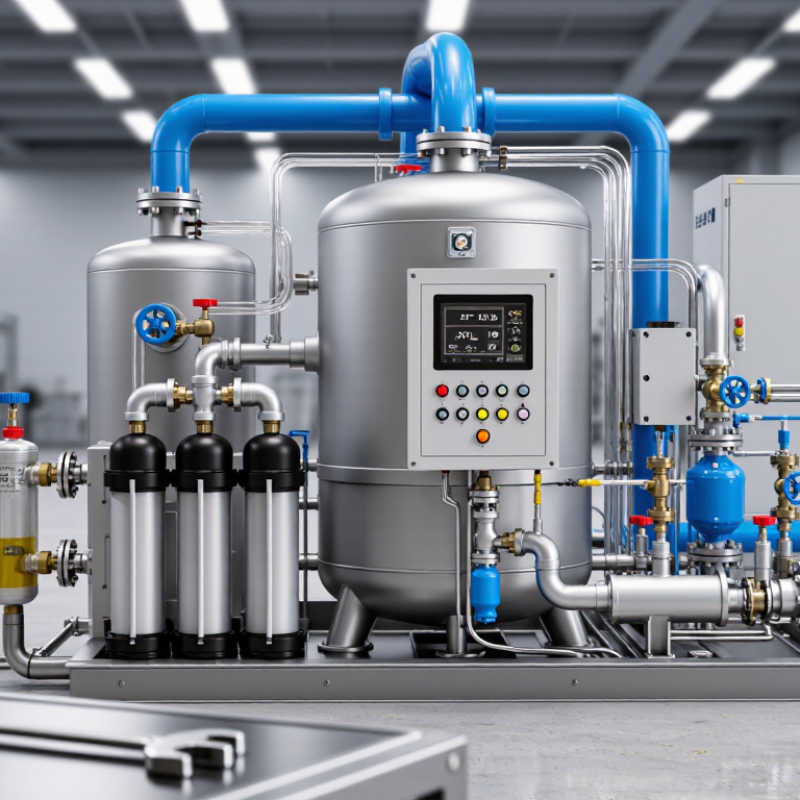
What Is a Nitrogen Generator?
A nitrogen generator is an on-site system that separates nitrogen from ordinary compressed air. Air typically contains about 78% nitrogen, 21% oxygen, and small amounts of other gases. The generator removes much of the oxygen, moisture, and impurities, then supplies nitrogen at a selected purity and pressure. This avoids repeated cylinder deliveries. It also gives operators closer control over daily consumption.
Most systems use pressure swing adsorption or membrane separation. In a PSA unit, carbon molecular sieve beds hold oxygen and release nitrogen. Valves switch between beds every few minutes. A membrane system works differently. It allows oxygen and water vapor to pass through faster than nitrogen. Compressed air quality matters greatly. ISO 8573-1 classifies oil, water, and particle contamination, yet real workshops often underestimate filter maintenance. That is an uncomfortable weakness.
The U.S. Department of Energy reports that compressed-air systems may represent 10% to 30% of industrial electricity use. Its compressed-air guidance also identifies leakage as a major source of waste. Therefore, a nitrogen generator is not automatically efficient. Poor pipe sizing, excessive pressure, or leaks can raise operating costs. Engineers normally check required flow, purity, outlet pressure, dew point, and duty cycle before selection. Industry data from the Compressed Air and Gas Institute also emphasizes measurement before system improvement. A practical test is simple: record pressure and flow during peak production, then compare them with actual nitrogen demand.
How Nitrogen Generators Separate Nitrogen from Air
What Is a Nitrogen Generator and How Does It Work?
Air contains about 78.08% nitrogen, according to NOAA’s Global Monitoring Laboratory atmospheric composition data. A nitrogen generator uses this natural mixture instead of storing large volumes of compressed gas. The separation method depends on the required purity, flow rate, and operating environment.
In pressure swing adsorption, compressed air enters a vessel filled with carbon molecular sieve. Oxygen, water vapor, and other gases are adsorbed more readily, while nitrogen moves through the bed. Pressure then drops, releasing the trapped gases and regenerating the sieve. Two vessels usually alternate. One produces nitrogen while the other regenerates. It sounds simple, but moisture control is critical. Poor filtration can shorten sieve life and reduce purity.
Membrane generators work differently. Hollow fibers allow smaller, faster-permeating gases, mainly oxygen and water vapor, to pass through the membrane wall. Nitrogen remains in the product stream. This design has fewer moving parts, though purity can vary with pressure and temperature. ISO 8573-1 provides the framework for specifying compressed-air contaminants and purity classes, helping users define acceptable oxygen, water, and particle levels. In practice, nitrogen purity may range from roughly 95% to above 99.999%, depending on the technology and system settings. The European Industrial Gases Association also emphasizes feed-air quality, ventilation, and monitoring in nitrogen system guidance. Small installation details matter. Consistent testing is still necessary.
The Main Types of Nitrogen Generation Technology
A nitrogen generator separates nitrogen from ordinary compressed air. It removes oxygen, moisture, and other gases to provide a controlled supply. The process can support food packaging, metal processing, laboratories, and electronics manufacturing. Purity and flow rate depend on the technology selected.
Pressure swing adsorption, or PSA, uses carbon molecular sieves inside twin adsorption vessels. Compressed air enters one vessel, where oxygen and moisture are retained. Nitrogen passes through, while the second vessel regenerates at lower pressure. PSA systems suit facilities needing high purity and steady, on-site production. They require clean, dry air and regular filter checks.
Membrane generators use hollow fibers with selective permeability. Oxygen, water vapor, and other gases cross the membrane faster than nitrogen. The remaining nitrogen exits as product gas. These systems are compact, quiet, and useful for moderate flow requirements. They may offer lower purity than PSA, although actual performance depends on pressure and temperature.
Cryogenic separation cools air until it becomes liquid. Distillation then separates nitrogen according to different boiling points. This method handles very large volumes and can produce extremely high purity. It usually demands greater capital, technical control, and energy. No method is universally best. In practice, demand changes, leakage, and poor air preparation can alter the expected result. A careful assessment of purity, pressure, operating hours, and maintenance access should guide the choice.
What Is a Nitrogen Generator and How Does It Work?
Nitrogen generators separate nitrogen from compressed air by exploiting differences in gas permeability, adsorption, or boiling point. The chart compares representative nitrogen-purity ranges for the three main generation technologies.
How to read the chart: Membrane systems generally provide standard industrial purity, PSA systems can achieve higher purity by selectively adsorbing oxygen, and cryogenic separation is used when very high purity and large production volumes are required. Actual performance depends on feed-air quality, pressure, temperature, flow rate, and system design.
Key Components Inside a Nitrogen Generator
A nitrogen generator separates nitrogen from compressed air instead of relying on delivered gas cylinders. Its main components determine purity, flow, pressure, and operating cost. The process begins with an air compressor, which supplies steady compressed air. An air receiver stores this supply and reduces pressure fluctuations. Without stable pressure, separation performance can become inconsistent.
Pre-filters remove oil mist, water droplets, and airborne particles before the air reaches the separation unit. This protection matters because contamination can damage sensitive components.
Pressure swing adsorption systems use carbon molecular sieve beds. These beds adsorb oxygen and allow nitrogen to pass through. Automatic valves switch between beds, creating a continuous nitrogen stream.
Membrane systems use hollow fibers instead. Smaller gas molecules permeate the fiber walls faster, while nitrogen remains in the product flow.
A control panel coordinates valve timing, pressure, and alarms. Pressure sensors track changing conditions inside the generator. A purity analyzer measures oxygen levels in the nitrogen outlet. That reading is practical evidence, not a guess. Dryers may be added when moisture could affect the application. The final receiver smooths demand during short flow surges.
Real systems are less tidy than diagrams suggest. Dirty filters, leaking valves, or inaccurate sensors can reduce purity quickly. Regular inspection should include drain checks, filter replacement, leak testing, and analyzer verification. One detail is easy to overlook: higher purity usually requires more air and energy. Efficiency claims need operating data, not attractive specifications.
Industrial Applications and Operating Considerations
What Is a Nitrogen Generator and How Does It Work?
Industrial Applications and Operating Considerations
A nitrogen generator separates nitrogen from compressed air on site. Pressure swing adsorption uses carbon molecular sieves, while membrane systems rely on different gas permeation rates. PSA systems usually support higher purity. Membranes often suit steady, moderate-demand applications. The choice depends on flow, pressure, purity, and operating hours.
Factories use nitrogen for food packaging, metal heat treatment, electronics production, laser cutting, and chemical blanketing. In packaging lines, nitrogen displaces oxygen and helps slow oxidation. During heat treatment, it protects hot metal surfaces from unwanted reactions. The U.S. Department of Energy reports that compressed air can consume about 10% of industrial electricity. Poor maintenance may waste 20–30% of compressor output through leaks, according to its compressed-air system guidance.
Operating conditions deserve careful attention. Feed air must be clean, dry, and stable. Oil aerosols can damage molecular sieves and reduce performance. Operators should monitor nitrogen purity, dew point, pressure, and flow continuously. Oxygen-deficiency risks also require ventilation and suitable monitoring in enclosed areas. ISO 8573-1 provides a framework for compressed-air quality classification, but it does not replace site-specific testing. In practice, calculated demand is often too optimistic. Production peaks, standby equipment, and future expansion can change the result. A smaller generator may save energy, yet insufficient capacity can disrupt an entire line.