What is 3D Printing Technology and How Can It Benefit You?
3D printing technology is revolutionizing various industries today. As Dr. Emily Carter, a leading expert in additive manufacturing, states, "3D printing opens new doors for innovation and customization." This technology allows for rapid prototyping and cost-effective production, enabling businesses to turn ideas into reality quickly.
Imagine creating intricate designs at an unprecedented pace. This technology reduces waste and optimizes resources. Moreover, it promotes local manufacturing, which can lead to shorter supply chains. However, the accessibility of 3D printing does raise questions about quality control and intellectual property. It’s essential to address these challenges to maximize its potential benefits.
As we explore 3D printing technology, we must reflect on its implications. It can empower individuals and small businesses, but it also requires responsible use. By understanding both the advantages and obstacles, we can better harness this game-changing technology for the future.
What is 3D Printing Technology?
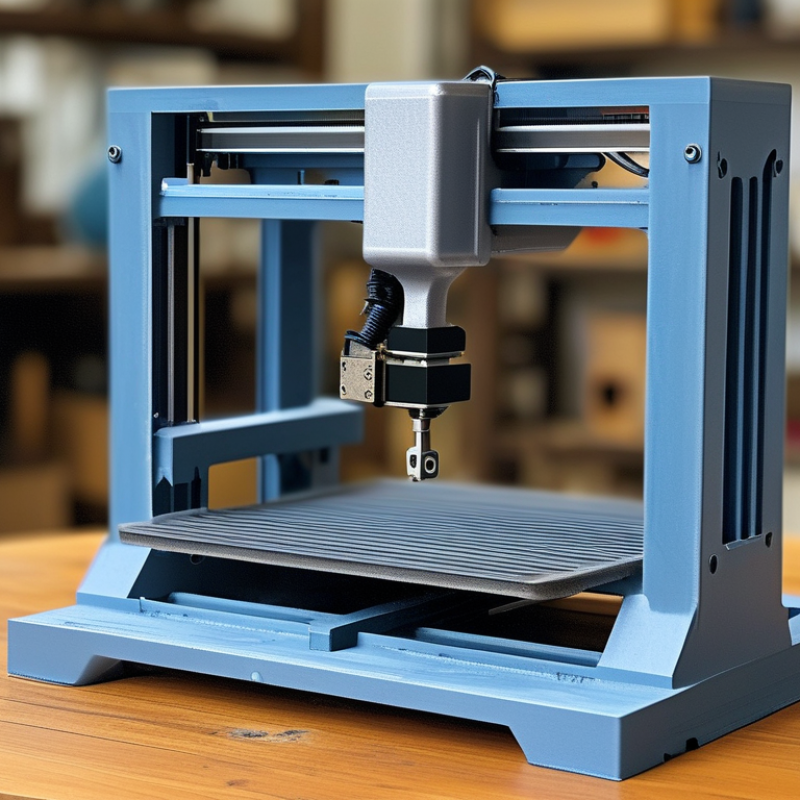
3D printing technology, also known as additive manufacturing, creates physical objects from digital models. This innovative process layers material to build items, allowing for intricate designs and rapid prototyping. According to a report by MarketsandMarkets, the global 3D printing market is expected to reach $34.8 billion by 2026, highlighting the technology's growing relevance across industries.
One significant advantage of 3D printing is customization. Businesses can tailor products to individual needs without significant extra costs. In healthcare, for example, 3D printing enables personalized implants and prosthetics. A study published in the Journal of Applied Polymer Science revealed that custom-fitted devices significantly improve patient outcomes. However, challenges remain, such as high material costs and the need for technical skills in design and printing.
Sustainability is another important aspect. The ability to reduce waste during production is enticing. Traditional manufacturing often involves excess material that is discarded. In contrast, 3D printing uses only what is necessary. A report from the Ellen MacArthur Foundation indicates that transitioning to 3D printing could significantly lower the carbon footprint of manufacturing. Despite the advantages, reliance on imported materials for 3D printers can hinder local production initiatives.
The History and Evolution of 3D Printing
3D printing technology has a fascinating history that spans several decades. It began in the 1980s when the first prototype emerged. Early methods used resin to create simple shapes, but the technology was limited. As time passed, innovations transformed 3D printing into a versatile tool. The introduction of thermoplastics in the 1990s significantly expanded applications across industries.
By the early 2000s, 3D printing began to attract attention in manufacturing and healthcare. Custom prosthetics and dental tools showcased its potential. However, challenges persisted. The technology was expensive and required specialized knowledge. As prices dropped and user-friendly printers became available, more people gained access.
In recent years, 3D printing has evolved further. Today, it encompasses a range of materials, from metals to organic compounds. While the future looks promising, not all applications are practical or efficient yet. Questions remain about sustainability and scalability. These concerns must be addressed for 3D printing to reach its full potential.
How 3D Printing Works: The Process Explained
3D printing technology has revolutionized manufacturing. It allows for the creation of three-dimensional objects from a digital file. The process begins with designing a model on computer-aided design (CAD) software. This digital file serves as a blueprint for the printer.
Next, the 3D printer uses various materials, such as plastic or metal. Layer by layer, it constructs the object. For example, the printer lays down thin sheets of material. Each layer is carefully fused together. This method allows for complex shapes and structures that traditional methods can’t easily achieve.
When considering 3D printing, keep clarity in your design. Complex designs may complicate the printing process. The right material matters too. Some materials work better for specific applications than others. Experimentation can lead to improvements, but it also means potential failures.
3D printing serves many sectors, from medical to automotive. It reduces waste and optimizes production. However, the learning curve can be steep. Users may face challenges in achieving accurate prints. Take your time to understand the equipment. It pays off in the long run.
Applications of 3D Printing Across Various Industries
3D printing technology has become integral across various industries. Its applications span healthcare, manufacturing, education, and even fashion. In healthcare, for example, 3D printing creates customized prosthetics and dental implants. These tailored solutions improve patient outcomes. However, they also raise questions about regulatory standards and material safety. The need for quality assurance is paramount.
Manufacturers benefit significantly from rapid prototyping. With quick iterations, companies can fine-tune designs before mass production. This approach minimizes waste and reduces costs. Yet, some industries struggle to adopt this technology fully. The initial investment in 3D printers can be daunting for small businesses. Not every design is suitable for 3D printing either, which limits its application.
In education, 3D printing fosters creativity. Students can bring their ideas to life, making learning more engaging. There are still technical challenges. Not all schools have access to the necessary tools or training. Despite these hurdles, the potential benefits are immense. As industries continue to innovate, the evolution of 3D printing may transform how we create and interact with objects around us.
What is 3D Printing Technology and How Can It Benefit You? - Applications of 3D Printing Across Various Industries
| Industry |
Application |
Benefits |
| Healthcare |
Prototyping and Custom Implants |
Personalized treatment solutions and improved patient outcomes. |
| Aerospace |
Lightweight Components Production |
Reduced fuel costs and increased efficiency. |
| Automotive |
Rapid Prototyping |
Faster design iterations and reduced time to market. |
| Construction |
3D Printed Structures |
Cost-effective building methods and reduced material waste. |
| Education |
Hands-on Learning and Prototyping |
Enhanced engagement and understanding of complex concepts. |
Benefits of 3D Printing for Individuals and Businesses
3D printing technology has revolutionized how individuals and businesses create products. According to a report by MarketsandMarkets, the global 3D printing market is expected to grow from $13.4 billion in 2020 to $62.79 billion by 2027. This rapid growth highlights the increasing adoption of 3D printing across various industries.
For individuals, 3D printing can be a game-changer. It allows for rapid prototyping and customization. Makers and hobbyists can design unique items tailored to personal needs. Educational institutions use it for hands-on learning, making complex subjects accessible. However, it also requires a learning curve, and not everyone finds it intuitive. Embracing this technology might not suit those resistant to change.
Businesses also reap significant benefits. Custom parts can be produced on demand, reducing inventory costs. A study by Wohlers Associates suggests that 60% of companies using 3D printing report decreased time to market. Yet, some organizations struggle to integrate this technology into existing workflows. Balancing traditional manufacturing with innovative methods can be challenging. Despite these hurdles, the potential to improve efficiency and foster creativity is immense.
Benefits of 3D Printing Technology