How to Choose the Best PLA Printing Solutions for Your Needs?
Choosing the best PLA printing solutions can seem daunting. With various options available, understanding your specific needs is crucial. PLA printing has gained popularity due to its environmental friendliness and ease of use. Many users appreciate its versatility across different applications.
When selecting PLA printing options, consider factors that matter most to you. Quality, cost, and material properties significantly impact your printing experience. It’s essential to assess your goals and find solutions that align with them. Sometimes, compromises must be made. Perhaps you want high-speed printing but at a lower quality.
Gaining insights from experienced users and experts can be invaluable. They often share their practical tips and best practices. Engaging with communities can help you navigate your choices. These conversations lead to better decisions. In a fast-evolving field like 3D printing, staying informed is key. Your choice can profoundly affect your projects and creativity.
Understanding PLA Material Properties and Benefits
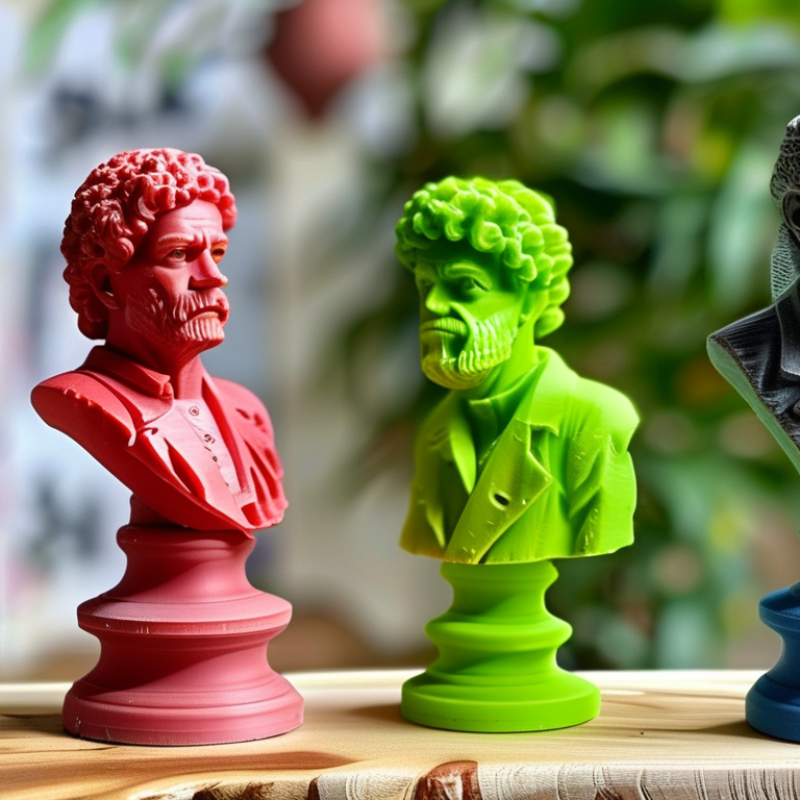
PLA, or polylactic acid, is a popular filament for 3D printing. Its properties make it an excellent choice for beginners and experienced users alike. Derived from renewable resources, PLA is biodegradable. This feature appeals to environmentally conscious makers. It has a lower melting point compared to other materials, making it easier to print. The adhesion between layers is strong, resulting in impressive detail and finish.
One should consider specific aspects when selecting PLA. Not all PLA is the same. Some variations include standard, high-temperature, or composite blends. Each type offers unique advantages tailored to specific applications. While standard PLA may suffice for basic projects, specialized blends can enhance strength or visual appeal. Users must reflect on their project needs and the potential trade-offs involved. For example, high-temperature PLA can withstand more stress but may require adjusted settings for optimal printing.
Users often overlook filament storage. PLA is sensitive to moisture, which can affect print quality. Proper storage in a cool, dry place is essential to maintain its properties. This consideration is frequently underestimated but crucial for successful prints. Understanding these characteristics of PLA can help users select the best printing solutions for their creative needs.
Identifying Your Specific Printing Requirements
Identifying your specific printing requirements is essential for choosing the best PLA printing solution. Start by considering your project's scale. Are you printing small prototypes or large models? The scale will directly impact your choice of printer. Different printers excel in various areas, so evaluate whether you need precision for intricate designs or speed for bulk production.
Next, think about the level of detail you require. Some projects may demand high-resolution prints, while others are more forgiving. Check the layer resolution options of potential printers. It's important to align these capabilities with your expectations. Additionally, consider the thermal management systems of different printers, as they can affect the quality and consistency of your prints.
Lastly, reflect on any specific material compatibility needs. While PLA is versatile, ensure the printer can handle different varieties of PLA, especially if unique filaments are involved. Understanding these aspects will help you make a more informed choice. You might find your initial preferences shifting as you learn more about the available technology and your actual needs. Embracing this learning curve will guide you towards a more suitable printing solution.
How to Choose the Best PLA Printing Solutions for Your Needs?
| Feature |
Requirement |
Options Available |
Recommended Uses |
| Filament Diameter |
1.75mm or 2.85mm |
1.75mm, 2.85mm filaments available |
Standard desktop 3D printers |
| Print Speed |
Fast (30-100 mm/s) |
Standard to high-speed settings |
Rapid prototyping |
| Print Quality |
High detail (layer height) |
Adjustable layer heights (0.1mm to 0.3mm) |
Detailed models and prints |
| Color Variety |
Wide range of colors |
Solid, transparent, and multi-color options |
Artistic prints and custom designs |
| Print Bed Temperature |
Heated vs Non-heated |
Optimal between 50-60°C for heated beds |
Improved adhesion and print quality |
Evaluating Different PLA Printer Models and Features
When evaluating different PLA printer models and features, it’s essential to consider your specific needs. Look for printers that offer a range of layer heights. This flexibility allows you to choose between quick drafts and high-detail prints. A printer with multiple nozzle sizes can also help manage different projects effectively. Experimenting with different settings is part of the learning curve.
Don't overlook the build quality. A sturdy frame ensures stability during printing, resulting in better accuracy. It’s also wise to check the community support around a printer model. A robust online community can be invaluable for troubleshooting and advice. You may also notice that some printers have more complex setup processes, which can be frustrating at first. Learning from others’ experiences can save you time.
As you explore each model, consider the ease of maintaining the printer. Some require more frequent calibration and cleaning. This can be a drawback for those looking for a hassle-free experience. Many users realize too late that long-term upkeep can impact their satisfaction. Reflect on your commitment to maintenance before making a decision.
Comparing Cost-Effectiveness of Various PLA Solutions
When evaluating PLA printing solutions, cost-effectiveness is a crucial factor. Many buyers prioritize budget over quality. However, the cheapest options may not always deliver the best results. Crafting projects with high precision often requires higher-priced filaments that guarantee better layer adhesion and finish. Balancing cost with performance requires careful consideration of your specific needs.
Understanding the trade-offs is essential. Some PLA solutions may be more affordable, yet they might produce inconsistent print quality. A lower-cost filament could lead to frequent printer jams, wasting both time and material. Additionally, some budget options can degrade more quickly, risking long-term durability. It's vital to assess how long you want your prints to last before opting for a cheaper solution.
Moreover, consider the intended use of your prints. Prototyping may allow for lower-cost materials, while functional parts may warrant investment in higher-quality PLA. Sourcing from reputable suppliers often yields better reliability. The process of finding the right balance is iterative. It involves experimenting with different options. Each choice helps refine your understanding of what works best for your specific application. Such reflections can guide future decisions.
Assessing Post-Processing Options for PLA Printed Items
Post-processing is essential for enhancing the aesthetic and functional qualities of PLA printed items. After printing, surfaces may exhibit rough finishes or visible layer lines. Sanding is a common technique that can smooth these imperfections. It requires various grits of sandpaper. Start with a coarse grit and gradually move to finer ones for a polished look. This process can be time-consuming and might lead to uneven surfaces if not done carefully.
Another popular method is painting. Oil-based or acrylic paints can provide a vibrant finish. But preparation is key. The surface must be clean and smooth. A primer can improve paint adhesion and even out the color. However, misapplication can lead to drips or patches. Additionally, some paints may react poorly with PLA, so testing on scrap pieces is advisable.
Sealing is also a crucial step for increasing durability. A clear coat can protect against scratches and moisture. However, care should be taken to choose a compatible product. Some sealers can warp or discolor PLA. If improperly applied, this might lead to disappointing results. Reflecting on your choices in post-processing can lead to better outcomes in future projects.