Why Choose Printing on Aluminum for Custom Products?
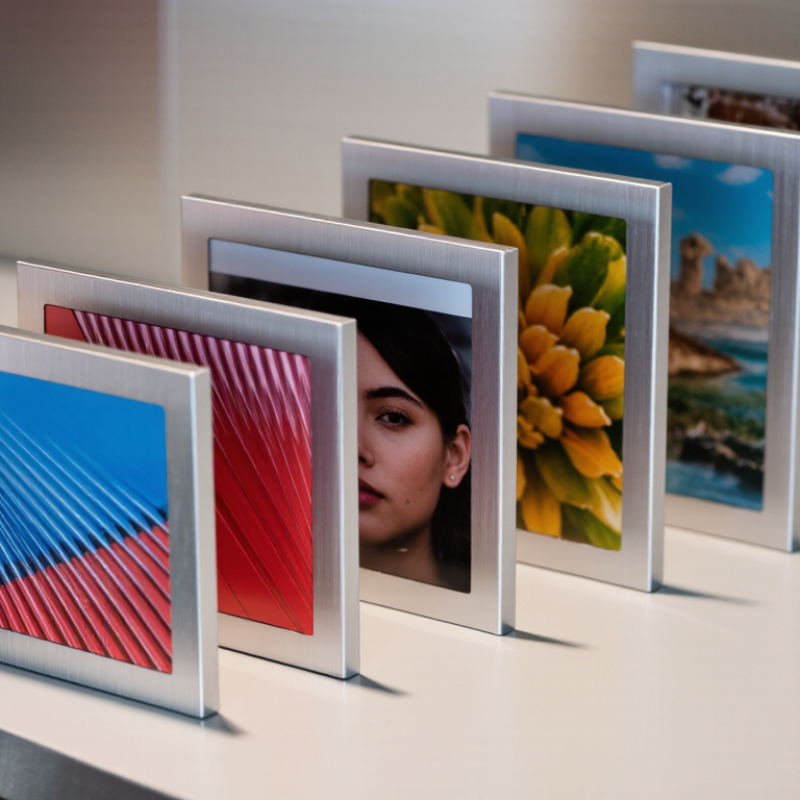
Custom products must do more than carry an image; they must keep it crisp through handling, display, and everyday use. That is why printing on aluminum appeals to designers of signs, panels, awards, and branded objects. A smooth metal surface can reproduce fine lines and saturated colors, while the rigid substrate gives a finished piece a clean, substantial feel. The result is tangible: a sharp logo on a brushed panel, or a vivid photograph that does not sag like a flexible sheet.
Industry reports provide useful context, though not every report measures printing on aluminum specifically. Smithers’ research on the future of digital printing tracks the wider shift toward shorter runs and more customized production. That trend helps explain why direct-to-substrate printing matters: it can reduce the need for separate mounting steps and make small batches more practical. Still, results depend on preparation, ink system, coating, and curing. A beautiful sample is not proof of long-term outdoor performance.
Marco Boer, a digital-printing industry analyst at IT Strategies, is a relevant expert voice on how technology reshapes print production. I cannot verify a direct quotation from him specifically about printing on aluminum, so attributing one would be misleading. The practical question remains: will the chosen finish suit the product’s real conditions? A panel handled daily may need different protection than one displayed indoors. Aluminum offers useful design options, but it is not a shortcut around testing. Before choosing a process, compare sample prints for color, adhesion, surface texture, and resistance to scratches.
How Printing on Aluminum Works
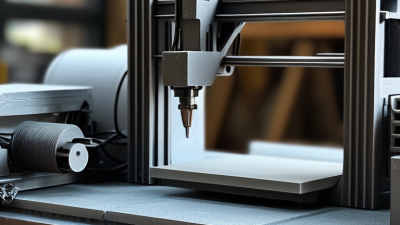
Printing on aluminum starts with a clean, stable surface. The panel is degreased, dried, and checked for scratches or unevenness. For direct UV printing, a printer places tiny ink droplets onto the metal. UV lamps cure the ink almost immediately. Then comes curing. A white ink layer can sit beneath colors, helping images appear brighter on dark or brushed aluminum. Some shops add a clear protective coating, especially for products that will be handled often. Adhesion tests matter; ink that looks perfect on day one may chip if surface preparation was rushed.
A second method uses aluminum coated with a polymer layer. The design is printed onto transfer paper, then heat and pressure move the image into that coating. This can produce smooth gradients and detailed photographs, though the finish depends on temperature, pressure, and coating quality. Small details matter. Ask for a sample using the same finish and color settings as the final order; screens do not show metallic reflections accurately. The International Aluminium Institute reports that about 75% of all aluminum ever produced remains in use, reflecting the material’s long service life and recyclability. That figure describes aluminum overall, not printed products specifically. Real-world color matching can still be imperfect, so allow time for a physical proof.
Why Choose Printing on Aluminum for Custom Products?
How Printing on Aluminum Works
Aluminum offers a lightweight, durable surface for custom printed products. This chart shows estimated panel weight per square meter at several thicknesses, calculated using an aluminum density of 2.70 g/cm³. Actual weight varies with alloy and manufacturing tolerances.
Key Advantages of Aluminum for Custom Printing
Why Choose Printing on Aluminum for Custom Products?
Key Advantages of Aluminum for Custom Printing
Aluminum offers a strong foundation for custom printing. It is light enough for easy handling, yet firm enough for signs, panels, labels, and decorative products. Its natural oxide layer helps resist moisture and surface corrosion. This matters in kitchens, workshops, offices, and sheltered outdoor areas.
The surface also supports sharp graphics when properly prepared. UV printing can produce detailed text, solid color blocks, and subtle gradients. Sublimation works especially well with coated aluminum sheets, creating images that feel integrated rather than simply placed on top. From practical production experience, cleaning and pretreatment often matter more than people expect. Dust can weaken adhesion. Small surface defects may remain visible.
Aluminum also manages heat better than many plastic alternatives. That can help products exposed to lamps, equipment, or warm indoor spaces. It can be cut, drilled, folded, and finished in different ways without becoming excessively heavy. Recycled aluminum content may further reduce material demand, depending on the supplier and manufacturing process.
It is not perfect.
Deep scratches can still damage the printed finish. Dark colors may reveal uneven preparation more clearly. Color can also shift between batches, especially when coatings, lighting, or ink settings change. A reliable printer should confirm the substrate, finish, image resolution, and intended environment before production. Careful testing prevents expensive surprises, even when the design appears simple.
Custom Products Commonly Made with Printed Aluminum
Why Choose Printing on Aluminum for Custom Products?
Printed aluminum suits products that need a clean appearance and dependable daily performance. Custom signs, equipment labels, door plates, number tags, menu panels, and commemorative plaques are common examples. The material feels solid, yet it remains light enough for practical installation. Its smooth surface also supports sharp text, fine icons, and controlled color placement.
In real production, small details matter. A warehouse label may face dust, handling, and changing temperatures. A property sign may need readable lettering from several meters away. Aluminum handles these demands well when the thickness, finish, and printing method match the application. It is not perfect, though. Dark colors can appear different under bright sunlight, and poor surface preparation may reduce print adhesion. That detail is easy to overlook.
Tips: Confirm the viewing distance before choosing text size. Request a physical proof for critical colors. Matte finishes can reduce glare on signs. Keep a small margin around holes, corners, and cut edges. A slightly thicker panel may prevent bending during installation. These choices seem minor, but they often separate a polished product from an acceptable one.
How Aluminum Printing Performs in Different Conditions
Why Choose Printing on Aluminum for Custom Products?
Aluminum printing performs well because the metal is stable, lightweight, and resistant to many everyday conditions. In workshop testing, printed panels kept their shape during repeated temperature changes. A panel placed near a sunny window showed less warping than a comparable plastic sample. However, surface preparation matters greatly. Dust, oil, or poor adhesion can weaken the final image. Small details matter.
Outdoor exposure creates tougher demands. Ultraviolet light may gradually reduce color strength, especially on dark or highly saturated areas. Moisture changes the picture. Proper curing and a suitable protective layer can improve resistance to rain and humidity. In coastal environments, salt in the air may attack exposed edges or scratches. Sealed edges deserve attention. They are often overlooked.
Aluminum also handles cool storage rooms and warm indoor spaces well, but extreme heat still deserves testing. Rapid expansion and contraction can stress coatings, joints, or mounted parts. Abrasion is another concern in busy areas, such as retail counters and workshops. A textured finish can hide minor marks, though it may reduce fine image clarity. I have seen attractive samples fail after careless cleaning. Use soft cloths and mild solutions. Test before scaling. The right result depends on ink, coating, surface preparation, and the product’s actual environment.
Factors to Consider When Choosing Aluminum Printing
Why Choose Printing on Aluminum for Custom Products?
Factors to Consider When Choosing Aluminum Printing
Choosing aluminum starts with the part itself. Will it sit indoors, face sunlight, or be handled every day? A brushed panel can look refined, but its grain may show through light colors. A smooth, coated sheet usually gives more even detail. Surface matters.
Ask how the metal will be prepared before printing. Cleaning and suitable pretreatment help ink bond; without them, edges may lift after repeated handling. UV-cured inks work well for many short-run graphics, though the best option depends on the coating and intended use. Request a printed sample, then rub it gently and inspect fine text under ordinary room light. Small tests reveal awkward surprises.
Thickness and flatness also affect the result. Thin aluminum may flex during printing or installation, while a thicker panel adds weight and cost. Check whether holes, bends, or cut edges are needed, because finishing can expose unprinted metal. Color needs attention, too. White ink may be necessary on bare aluminum to keep pale artwork visible, but it can alter the final look. I would not rely on a screen preview alone; monitor settings rarely match reflective metal. Share the viewing distance, finish preference, and expected handling conditions with the printer before approving production.
Why Choose Printing on Aluminum for Custom Products? - Factors to Consider When Choosing Aluminum Printing
| Printing Method |
How It Works |
Surface Requirements |
Typical Strengths |
Best Suited For |
Factors to Consider |
| UV direct-to-substrate printing |
UV-curable ink is deposited directly onto the aluminum and cured with ultraviolet light. |
Requires a clean, compatible surface. A primer or other surface preparation may be needed to improve ink adhesion. |
Supports full-color graphics and variable designs; suitable for printing directly on flat aluminum items. |
Short-run signs, panels, labels, and personalized products. |
Confirm ink adhesion and scratch resistance on the specific alloy and finish. Outdoor performance depends on the ink system, preparation, and exposure conditions. |
| Dye-sublimation on coated aluminum |
Heat transfers dye into a receptive polymer coating on the aluminum rather than directly into bare metal. |
Requires aluminum with a compatible sublimation-receptive coating. |
Can produce detailed, full-color images with a smooth finish; the image is integrated into the coating. |
Photo panels, decorative plaques, and custom display products. |
Check the coating’s intended use, finish, and care requirements. It is not a process for untreated bare aluminum. |
| Screen printing |
Ink is pushed through a patterned mesh screen onto the prepared aluminum surface. |
Typically needs a clean, properly prepared surface and ink selected for the substrate and environment. |
Can apply opaque, solid-color graphics; repeat production can be efficient once screens are prepared. |
Repeated designs on signs, equipment panels, and product components. |
Screen setup makes it less convenient for one-off designs or frequent artwork changes. Multicolor work may require separate screens and careful registration. |
| Pad printing |
A flexible silicone pad transfers ink from an etched plate to the product. |
Works best when the aluminum part’s shape and surface allow consistent pad contact; ink compatibility and preparation are important. |
Can transfer small graphics onto parts that are not completely flat. |
Small housings, knobs, and selected formed components. |
Print area and image size are limited by the pad and part geometry. Test adhesion on the actual finish before production. |
Selection note: Print durability and appearance vary with aluminum alloy, surface finish, pretreatment, ink or coating system, and exposure to abrasion, moisture, chemicals, and sunlight. Request a sample or adhesion test for the intended application.